
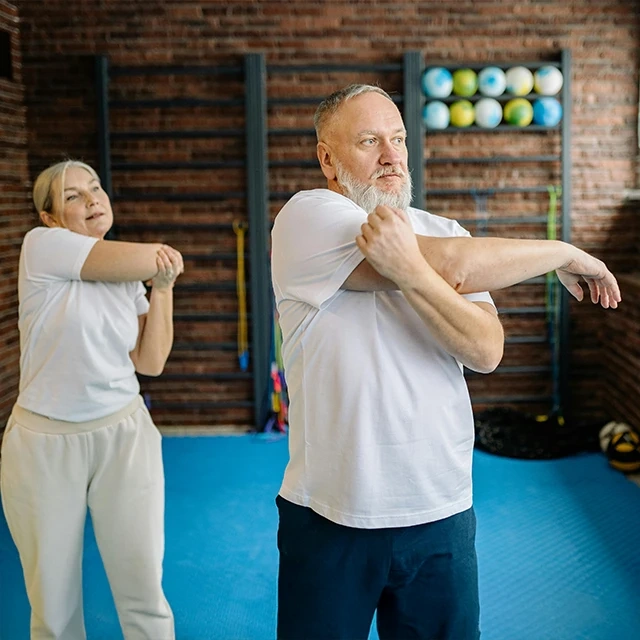
Shoulder pain and knee pain are two of the most common reasons people come into our office. They are also two of the most limiting. A cranky shoulder makes it hard to reach a shelf, put on a coat, or sleep through the night. A cranky knee makes stairs, groceries, and a walk around the neighborhood feel like work. If you have been pushing through it, hoping it settles down on its own, chiropractic care in Centralia WA may be the option you have not tried yet.
Shoulders and Knees: The Joints You Use Most
The shoulder is the most mobile joint in the body. That range of motion is a gift, but it also makes the joint less stable, so the rotator cuff tendons, bursa, and labrum take on more of the load. Years of overhead work, lifting, yard work, sports, or a single fall can leave a shoulder that aches, catches, or feels weak.
The knee is the opposite story. It is a hinge built to carry your weight, and every step loads it with a multiple of your body weight. That makes it vulnerable to cartilage wear, meniscus irritation, tendon strain, and the slow stiffness that shows up after an old injury you never finished rehabbing.
Both joints are also deeply affected by what happens above and below them. A stiff mid-back changes how a shoulder blade moves. A stiff hip or a weak glute changes how a knee tracks. Treating the joint in isolation often misses the reason it hurts.
It Is Not Just Shoulders and Knees
Any joint in an arm or a leg can break down, get irritated, or get injured. We see patients with complaints throughout the extremities, including:
- Hips — groin pain, stiffness, loss of rotation, impingement, pain that radiates into the thigh
- Elbows — tennis elbow, golfer's elbow, pain with gripping, lifting, or typing
- Wrists and hands — ache, numbness, tingling, weak grip, stiffness in the fingers
- Ankles and feet — recurring sprains, instability, heel and arch pain, Achilles trouble
- Fingers and toes — locking, clicking, and joints that swell after use
If a joint hurts, swells, catches, or will not move the way it used to, it is worth having looked at before you decide to live with it.
Chiropractic as an Option
Chiropractic care is a drug-free, non-surgical option for extremity joint pain. The work is straightforward: restore the motion a joint has lost, calm the irritated tissue around it, and fix the movement patterns that keep reloading it.
Depending on what the exam shows, a plan may include:
- Adjustments to the affected joint and the spine, hips, or shoulders that feed into it
- Soft tissue work for tendons, muscles, and fascia that have tightened around a joint
- Corrective and strengthening exercises so the joint stays stable once it moves better
- Advice on ergonomics, lifting, and activity so daily life stops re-injuring it
Nerve irritation in the neck or low back can also send pain, numbness, or weakness down an arm or a leg, which can feel exactly like a joint problem. Part of the exam is figuring out whether the joint itself is the source or the victim.
Regenerative Medicine
When a tendon, ligament, or cartilage is involved, we also offer regenerative medicine options that support the body's own repair response. Many patients do well with chiropractic care alone. Others benefit from combining both, and we will tell you honestly which direction your case is pointing.
When to Come In
Please make an appointment if the joint:
- Hurts most days for more than a week or two
- Stiffens up after rest or first thing in the morning
- Swells, warms, or clicks with a catching sensation
- Feels weak, unstable, or like it may give out
- Keeps you awake at night or has quietly taken activities out of your life
The longer a joint goes without proper motion, the more the joints around it have to compensate, and the more the whole chain adjusts to the problem.
Getting Started
Call us at (360) 736-6263 or book online, and tell us which joint is giving you trouble. We start with the least costly, least invasive procedures first, and we will design a program that fits the way you actually use your body — at work, at home, and in the activities you would like to get back to.